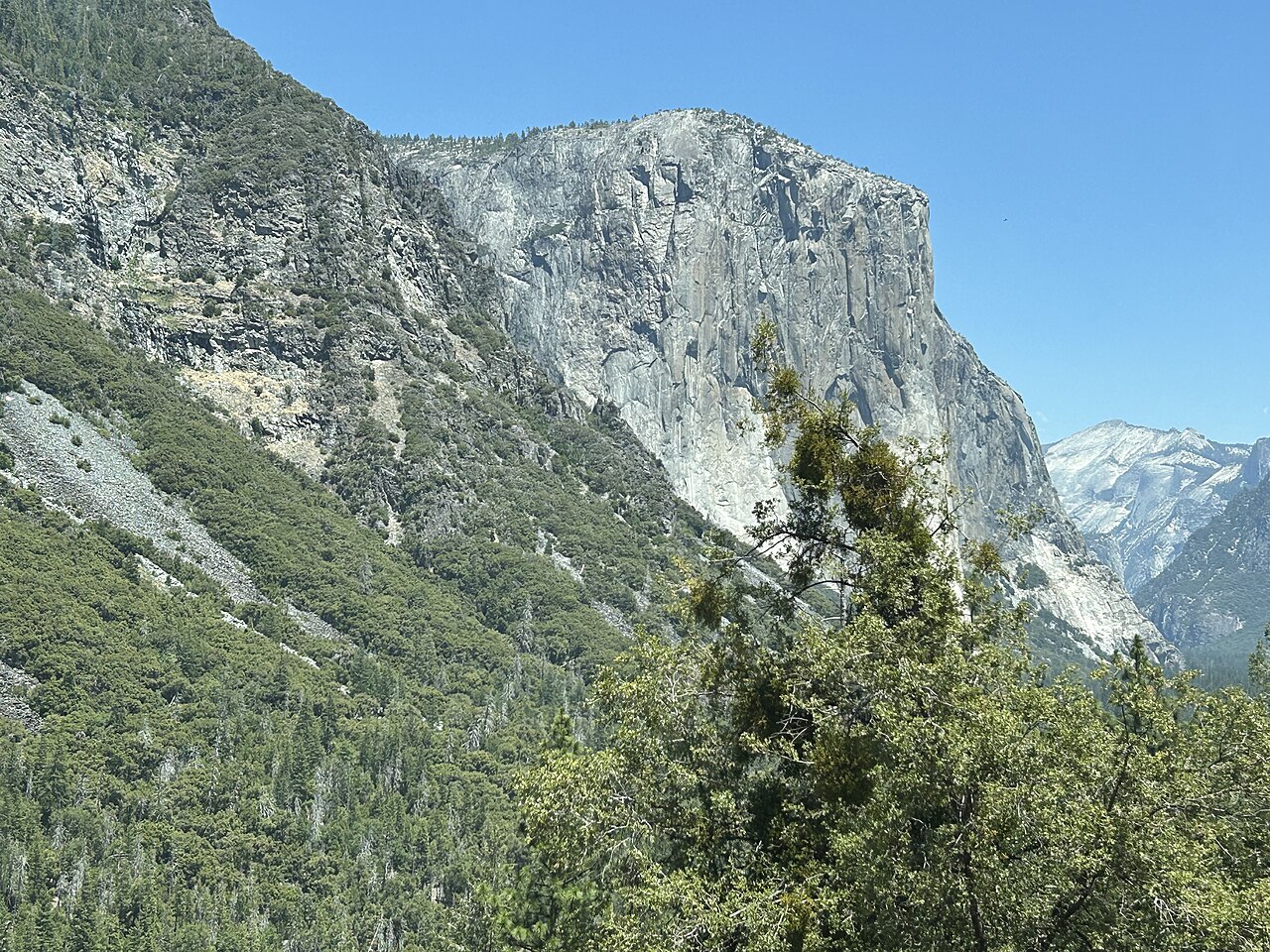
Saying your vows in front of a famous view is very possible. It takes a permit, some flexibility and respect for the place and everyone else enjoying it.
The short list
- Most national parks require a special use permit for weddings and ceremonies, including small elopements.
- Each park sets its own application fee, often nonrefundable; recently listed fees run from about $100 to $300, and entrance fees are usually extra.
- Parks limit group sizes and locations, and ban leaving anything behind, including rice, confetti and flower petals.
- You still need a marriage license from the state where the park is located.
Mountains, canyons, desert dunes, ocean cliffs: America’s national parks are some of the most beautiful places to get married. They’re also public lands that millions of people visit, so ceremonies come with rules designed to protect the scenery and keep things fair for everyone.
Why you need a permit
Parks treat weddings as special events, and most require a special use permit for any ceremony, whether it’s two people and an officiant or fifty guests. Each park publishes its own process, usually on a “Weddings” page under “Plan Your Visit.”
What it costs
Fees are set park by park. A few recently listed application fees, all subject to change:
| Park | Application fee |
|---|---|
| Bandelier National Monument | $100 |
| Joshua Tree National Park | $120 |
| Glacier National Park | $125 |
| Yosemite National Park | $150 |
| Arches National Park | $185 |
| Rocky Mountain National Park | $300 |
Many of these fees are nonrefundable. Some parks add costs, such as charges when a ranger needs to monitor the event, and entrance fees generally still apply to you and your guests.
Rules you’re likely to meet
- Designated sites and times, with limits on group size at each spot.
- Nothing left behind: no rice, birdseed, confetti or petals, and no releasing balloons, doves or butterflies.
- Limits on setup: chairs, arches, decorations and amplified music are often restricted or banned.
- No drones: launching or landing drones is prohibited in most national parks.
- Photographers: ask the park whether a professional photographer needs separate authorization.
Little trick: Plan the ceremony for early morning. You’ll get softer light, fewer crowds and a better chance at the exact spot you wanted.
Don’t forget the license
A park permit isn’t a marriage license. You’ll need a license from the state where the park is, following that state’s rules on waiting periods, witnesses and officiants, and some parks span more than one state, so confirm which one applies.
Be a good neighbor
Other visitors came for the same view. Keep the ceremony short at busy spots, stay on durable surfaces, and follow Leave No Trace principles.
Dreaming of somewhere farther away? Read getting married abroad. And if a park proposal comes first, our guide to traveling with an engagement ring covers getting the ring there safely.
Couples often ask
How far ahead should we apply?
It varies by park, but many ask for applications weeks or months in advance, and popular dates fill quickly. Check the park’s weddings page as soon as you have a date in mind.
Do our guests have to pay to get in?
Usually, yes. A wedding permit typically doesn’t cover park entrance fees for the couple or guests.
Can we get married at the most famous viewpoint?
Sometimes. Parks often designate specific ceremony sites and times so weddings don’t block other visitors. Have a second-choice spot ready.
Entry rules, fees, permits and tax figures change. Confirm details with the State Department, the park, the resort or a tax professional before you rely on them. This guide is general information.