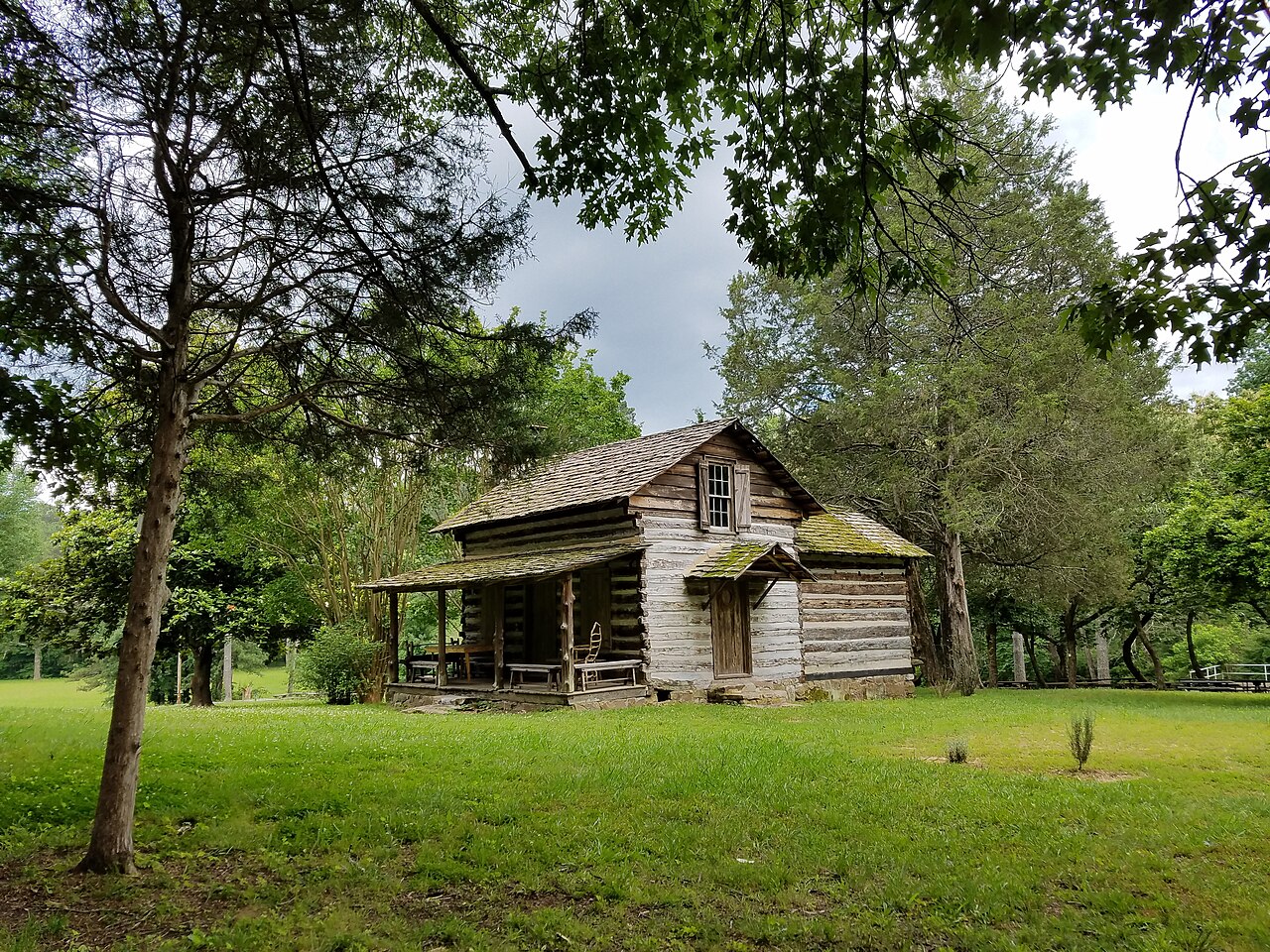
A good weekend away is mostly about not spending half of it in the car or on your phones. A little planning on Tuesday buys a much better Saturday.
The short list
- Keep travel to about two or three hours each way for a two-night trip, so the getting there doesn’t eat the weekend.
- Leisure destinations often charge more on Friday and Saturday nights; a Sunday-to-Tuesday trip can cost less and feel quieter.
- Plan one anchor activity per day and leave the rest open.
- Agree on a budget, and on how much phone time you both want, before you leave.
The best weekend getaways feel longer than they are. That happens when the drive is short, the plan is light, and you’re not checking out of the hotel at 10 a.m. on Sunday wondering where the time went.
Pick the right radius
| Trip length | Comfortable travel time each way |
|---|---|
| One night | One to two hours |
| Two nights | Two to three hours |
| Three nights | Three to five hours, or a short nonstop flight |
Those are rules of thumb, not laws. But a four-hour drive each way on a two-night trip means a quarter of your waking time is spent on the road.
Time it well
- Leave early or late. Friday afternoon traffic out of most cities is the slowest part of many weekend trips.
- Consider shifting the days. In places people visit for fun, Friday and Saturday nights are usually the most expensive. A Sunday-to-Tuesday trip, if you can take the time, is often cheaper and calmer.
- Ask about late checkout, especially on Sundays, when some places are more flexible.
Choosing where to stay
Small inns, bed-and-breakfasts and cabins feel more like a getaway than a chain hotel off the highway, but they come with their own fine print. Weekend minimum stays are common at bed-and-breakfasts and vacation rentals, and cancellation policies can be stricter than at hotels. Read both before you pay.
One plan per day
Choose a single anchor for each day: a hike, a dinner reservation, a winery, a spa appointment, a museum. Everything else, such as lunch, wandering and naps, stays unplanned. Couples who overschedule a weekend tend to come home more tired than they left.
Little trick: Agree on a light phone rule before you go, such as checking messages only at breakfast and before bed. You’ll notice the difference by Saturday afternoon.
Small touches
A playlist for the drive, a favorite snack, an old photo of your first trip together: these cost almost nothing and make the weekend feel like an occasion rather than a change of scenery.
If you’re two very different kinds of travelers, read when you travel differently. And to keep the weekend from quietly turning expensive, see our guide to budgeting a trip as a couple.
Couples often ask
Is it better to fly or drive for a weekend?
Driving usually wins for short trips because there’s no airport time. A short nonstop flight can make sense when the drive would be longer than about five hours.
How far ahead should we book?
For popular places on summer and holiday weekends, a couple of months or more. For off-season or midweek trips, a couple of weeks is often enough.
What if we can’t agree on what to do?
Each of you picks one thing you really want, and everything else stays flexible. Our guide to traveling with different styles has more ideas.
Entry rules, fees, permits and tax figures change. Confirm details with the State Department, the park, the resort or a tax professional before you rely on them. This guide is general information.