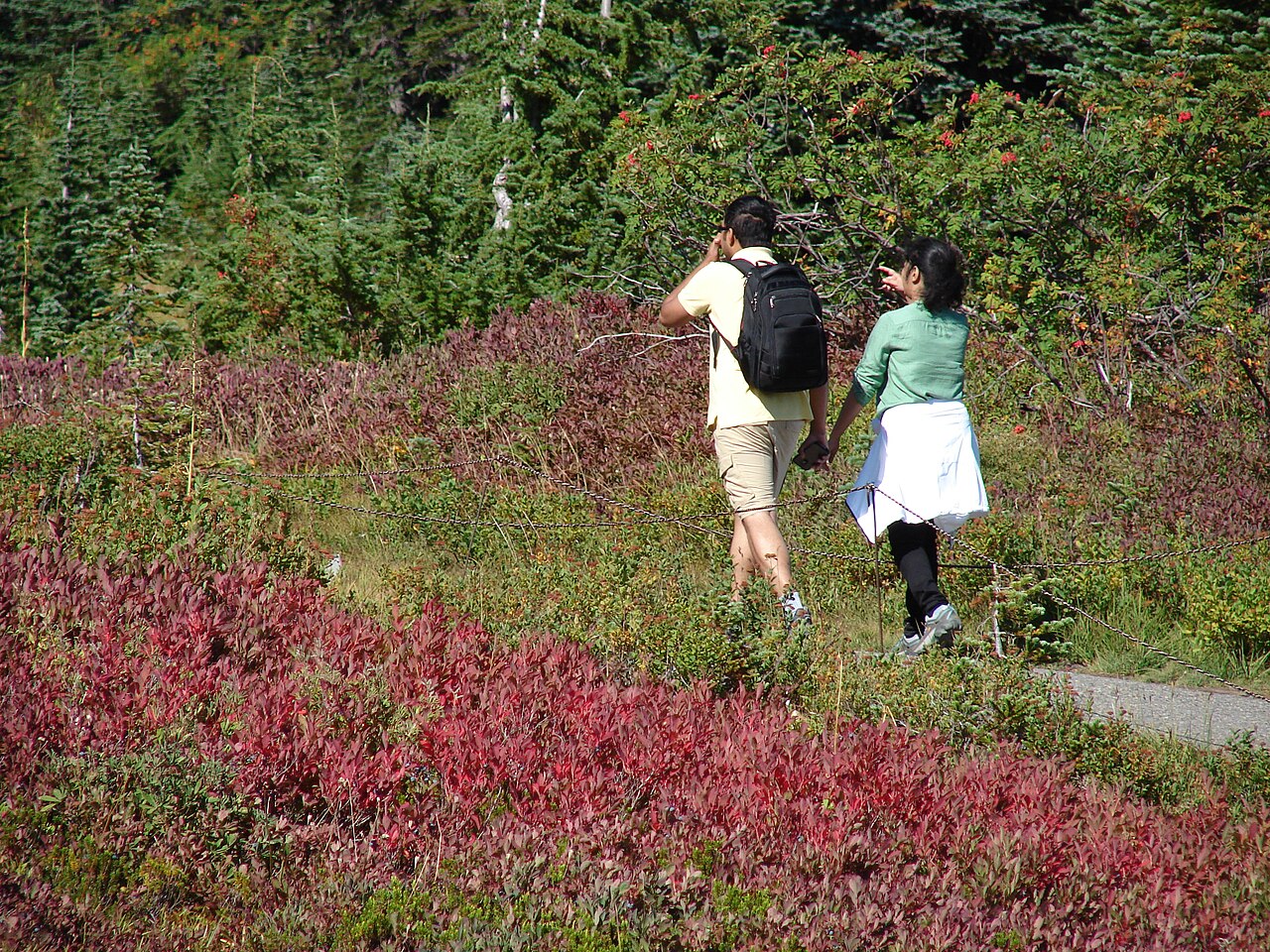
One of you wants a museum at 9 a.m. The other wants a long breakfast and no plans at all. That’s not a problem; it’s information to plan around.
The short list
- Talk about pace, budget, sleep and must-dos before booking, not on day two of the trip.
- Trade picks: each of you chooses a few non-negotiables, and the rest of the plan stays flexible.
- Build in some time apart; an afternoon on your own can make the rest of the trip better.
- Decide in advance how you’ll handle money and last-minute changes of plan.
Traveling together is a crash course in how two people like to spend their days. The good news is that most “travel incompatibility” is really just a handful of differences that are easy to plan around once you’ve named them.
Have the conversation before you book
Ask each other a few questions over dinner, well before anything is paid for:
- What does a perfect day on this trip look like?
- What time do you want to wake up?
- How many planned activities a day feels right: one, three, none?
- What’s one thing you’d be sad to miss?
- Where do you want to spend money, and where would you rather save?
You’ll probably find you agree on more than you expected, and the differences will be clear and specific.
Common mismatches, and what works
| If one of you… | And the other… | Try this |
|---|---|---|
| Plans every hour | Likes to wander | Plan mornings, leave afternoons open |
| Rises at dawn | Sleeps in | The early bird takes a sunrise walk solo, then you meet for breakfast |
| Wants luxury | Wants to save | Splurge on one or two things you both care about, and save on the rest |
| Wants to be active | Wants to relax | Alternate busy days and easy days |
| Loves museums | Loves food | Pair a morning museum with a long lunch somewhere great |
Time apart is not a red flag
A couple of hours on your own, at a spa, a bookstore, a running trail or a café, gives each of you room to do exactly what you like. Many couples find the evening together better for it.
Little trick: Give each of you one veto for the trip: a single “I’d really rather not” that the other person accepts without debate. It’s surprisingly effective, and it rarely gets used.
On the road
Keep snacks on hand, drink water, and don’t try to decide dinner while you’re both starving. When plans fall through, as they will, laugh first and fix it second.
If you’re planning something short, see our guide to a weekend getaway for two. And for the money conversation, read budgeting a trip as a couple.
Couples often ask
We argue on every trip. Is that normal?
Travel is tiring, and hunger and fatigue start more arguments than real differences do. Plan regular meals and rest, and save big decisions for when you’re both fresh.
How do we handle different budgets?
Agree on a shared budget for joint costs and let each person spend their own money on extras. Our trip budget guide covers a few fair ways to split costs.
Is it okay to do some things separately?
Yes. Plenty of couples spend a morning or an afternoon apart on trips and enjoy their time together more because of it.
Entry rules, fees, permits and tax figures change. Confirm details with the State Department, the park, the resort or a tax professional before you rely on them. This guide is general information.