
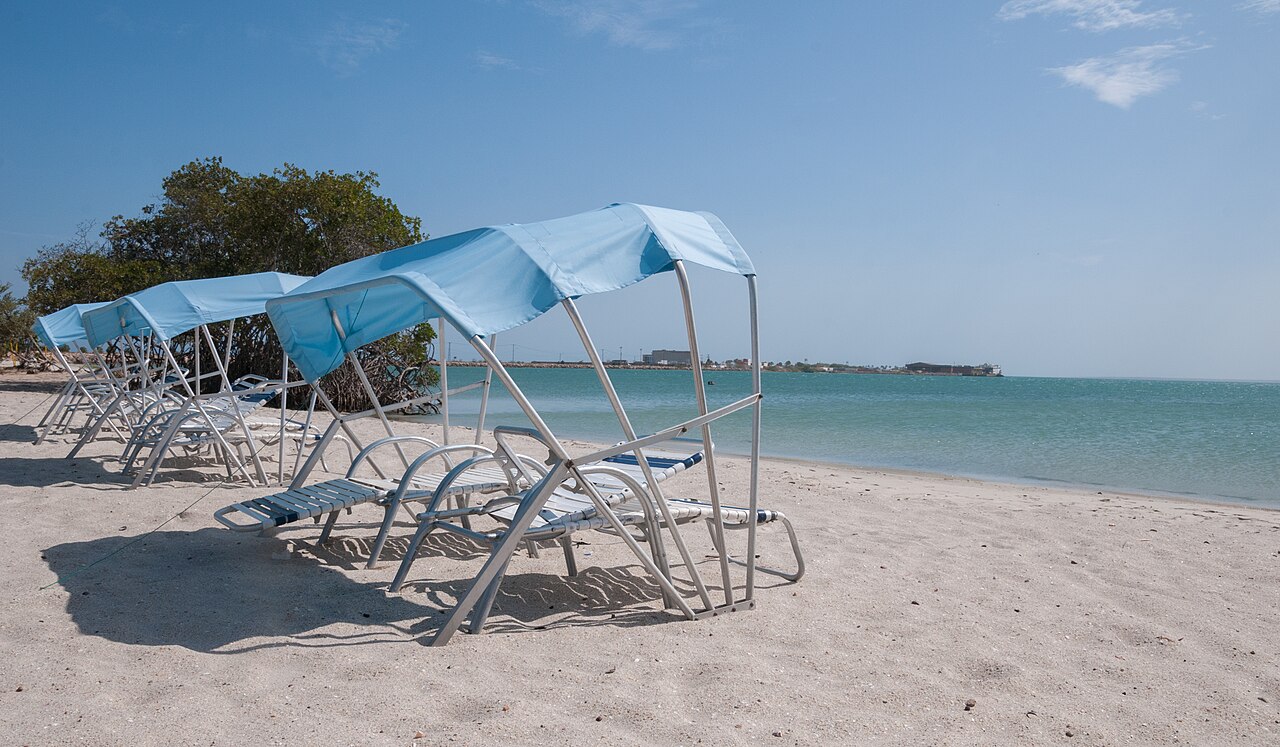
One last trip for two before the baby arrives. Here is how to pick your window, clear the airline and health checks, and plan a babymoon that stays comfortable.
The short list
- Most couples travel in the stretch after early nausea eases and before late-pregnancy fatigue, but the pregnant partner’s comfort should decide.
- Some airlines let pregnant travelers fly until 36 weeks, but others cut off earlier; cruises may stop at 24 to 28 weeks and require a doctor’s note.
- See a provider or travel health specialist 4 to 6 weeks before you leave, and avoid destinations with Zika or malaria risk.
- Carry prenatal records, immunization records and a doctor’s letter confirming your due date and fitness to travel.
- Check that your insurance covers pregnancy complications away from home, and consider medical evacuation coverage.
A babymoon is one last trip for two before the baby arrives, and it works best when planned around pregnancy rather than despite it. The right timing, a destination that matches your energy, and a few checks before you book do most of the work. Here is how to decide when to go and what to confirm first.
What a Babymoon Is (and Why Timing Matters)
A babymoon is any trip a couple takes during pregnancy, most often in the months before the due date. Some couples want a quiet beach week; others prefer a city with good restaurants and a museum or two. There is no fixed template. The planning resembles our honeymoon planning timeline: agree on what you both want, then work backward from the constraints.
Here, the constraints are the pregnancy itself plus rules from airlines, cruise lines and your provider, and timing decides most of them.
When to Go: Trimesters, Morning Sickness and the Cutoff
Most couples aim for a stretch after early-pregnancy nausea has eased and before the final weeks bring fatigue and frequent appointments. That window varies from pregnancy to pregnancy, so let how the pregnant partner actually feels decide, not a calendar rule.
The hard limits come from carriers. The CDC advises checking airline and cruise line policies before you book. Some airlines let you fly until 36 weeks of pregnancy, but others set an earlier cutoff. Cruises may not allow travel after 24 to 28 weeks, and you may need a note from your doctor stating you are fit to travel.
Airline Rules and Doctor Letters
Once your dates are set, confirm three things:
- The airline’s policy for pregnant travelers, including any cutoff and whether a doctor’s letter is needed at your stage.
- A letter from your healthcare provider confirming the due date and fitness to travel. Clinics that do pre-travel consultations prepare these routinely.
- The cruise line’s week cutoff and documentation rules, which can differ from airline rules.
At the airport, TSA allows larger amounts of medically necessary liquids, gels and aerosols in reasonable quantities for your trip, but you must declare them at the checkpoint for inspection. If either of you needs help at security, contact TSA Cares at least 72 hours before departure, or carry a TSA notification card or medical documentation describing any condition.
Health Checks Before You Book: Zika, Malaria and Vaccines
Schedule an appointment with your healthcare provider or a travel health specialist at least 4 to 6 weeks before you leave. They can offer destination-specific advice, medicines and any vaccines your itinerary calls for.
Don’t skip this: If you are pregnant, do not travel to areas with risk of Zika. The virus can cause severe birth defects and spreads through mosquito bites and sex. Check the CDC’s Zika risk categories for your destination before booking.
Malaria matters just as much. It can be more severe in pregnancy and raises the risk of serious problems, including premature birth, miscarriage and stillbirth, so a malaria-free destination is the safer pick. Vaccines deserve a look too. Flu and Tdap vaccines are recommended during pregnancy, with Tdap optimally between 27 and 36 weeks. Live vaccines such as MMR are given before pregnancy instead, and it is best to wait a month after the shot before conceiving. Your provider can review your records and tell you what applies to your trip.
Choosing a Destination and Pace
Pick a place with reliable medical care nearby and learn where you would get treatment before you go. Shorter flights and a single base usually beat a multi-stop itinerary.
On activities: swimming and snorkeling are generally safe in pregnancy, while scuba diving is best avoided because of possible fetal risks. Skip activities with a real chance of falls or abdominal trauma, such as riding animals, bicycles or motorcycles, and waterskiing. The CDC also discourages unaccustomed vigorous activity, so this is not the week for a strenuous hike neither of you has trained for.
If your travel styles differ, sort that out early; our guide to planning a trip you’ll both enjoy can help.
What to Pack and Arrange
Carry a copy of your prenatal records and your provider’s contact information, plus your official immunization records. Check that your health policy covers pregnancy and newborn complications while away; if it does not, buy travel health insurance that does, and consider medical evacuation coverage. Pack a travel health kit and enroll in the State Department’s STEP program.
Both of you should know the warning signs that need immediate care: pelvic or abdominal pain, bleeding, contractions, unusual swelling, severe headaches, vision changes, and dehydration.
A babymoon does not have to be elaborate. A well-placed long weekend often delivers more rest than a sprawling itinerary; see our guide to planning a weekend getaway for two. And if an all-inclusive resort is calling, read up on what is really included before you book.
Couples often ask
When is the best time to take a babymoon?
Most couples go after first-trimester nausea eases and before the final weeks bring fatigue and frequent appointments. Airline rules matter too: some airlines allow flying until 36 weeks, while others stop earlier.
Do I need a doctor’s note to fly while pregnant?
Some airlines require one, especially later in pregnancy. Ask your provider for a letter confirming your due date and that you are fit to travel, and check your airline’s policy before booking.
Where should pregnant travelers not go?
The CDC advises against travel to areas with Zika, which can cause severe birth defects, and areas with malaria, which is more severe in pregnancy. Check destination advisories before you book.
What documents should we bring on a babymoon?
A copy of your prenatal records, your provider’s contact information, your immunization records and any doctor’s letter about fitness to travel. Also confirm your health insurance covers pregnancy complications while you are away.
Entry rules, fees, permits and tax figures change. Confirm details with the State Department, the park, the resort or a tax professional before you rely on them. This guide is general information.